Lost Maya City Discovered Deep in the Mexican Jungle: What Archaeologists Really Know
Introduction
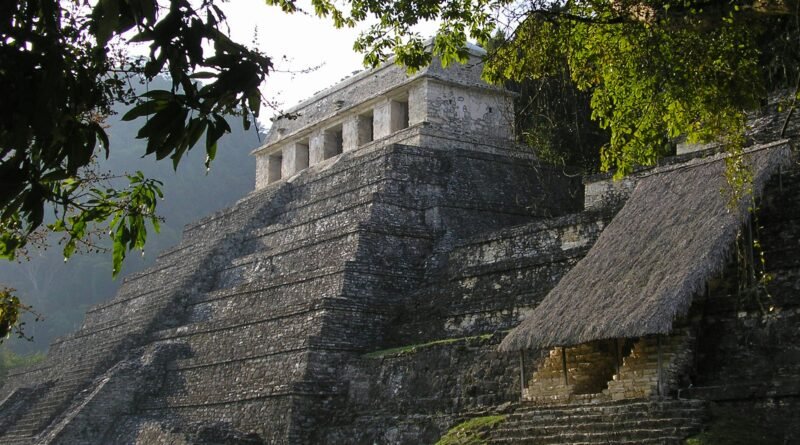
Lost Maya City discoveries continue to fascinate archaeologists around the world. For centuries, the dense jungles of southern Mexico and Central America concealed the remains of one of history’s most remarkable civilizations.
Using LiDAR (Light Detection and Ranging), archaeologists have discovered thousands of previously unknown structures beneath the forest canopy. These findings reveal that the Maya built vast cities connected by roads, surrounded by farmland, and home to millions of people. Each new discovery helps historians piece together the story of one of the greatest civilizations in the ancient Americas.
Who Were the Maya?
The Maya civilization flourished across present-day southern Mexico, Guatemala, Belize, Honduras, and El Salvador. Their civilization reached its peak between AD 250 and 900 during the Classic Period.
Unlike many ancient empires that were ruled from a single capital, the Maya lived in powerful independent city-states. Cities such as Tikal, Calakmul, Palenque, and Chichén Itzá became important centers of politics, religion, trade, astronomy, and architecture.
The Maya also developed one of the world’s most advanced writing systems, created accurate calendars, and made remarkable achievements in mathematics and astronomy that continue to impress researchers today.
Today, every new Lost Maya City discovery helps historians better understand how advanced the Maya civilization truly was.
How LiDAR Changed Archaeology Forever
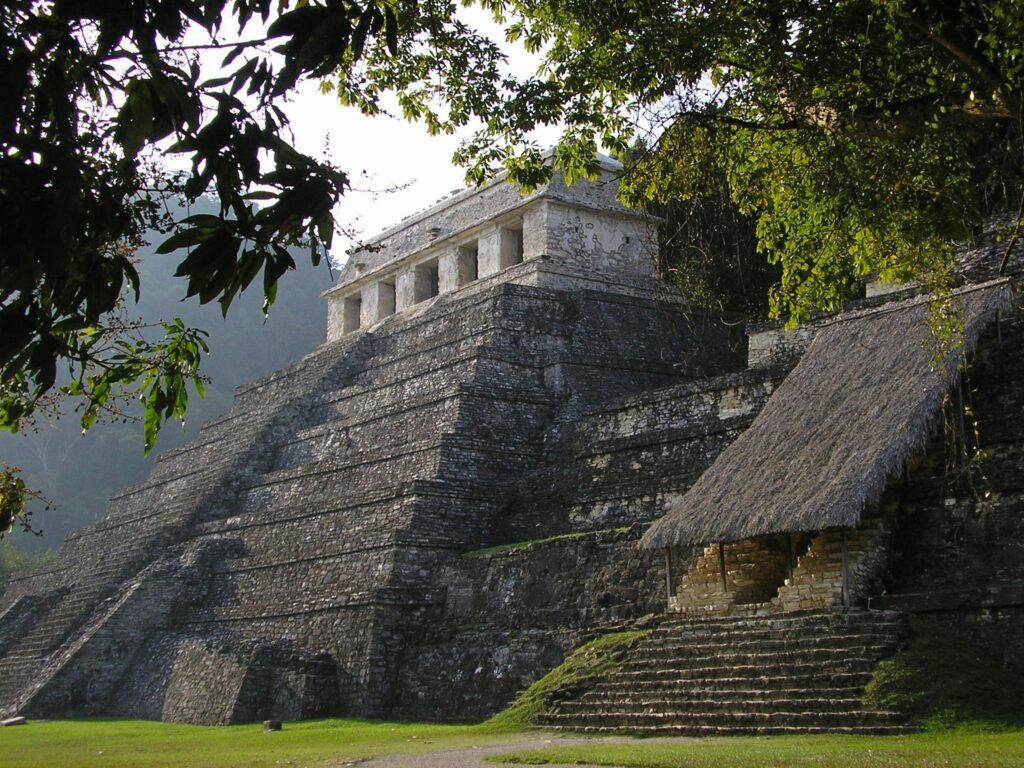
One of the biggest breakthroughs in modern archaeology has been the use of LiDAR (Light Detection and Ranging).
LiDAR works by sending millions of laser pulses from an aircraft toward the ground. While dense jungle vegetation blocks ordinary aerial photography, many laser beams pass through gaps in the trees and reach the surface below. Specialized software then removes the vegetation digitally, revealing ancient structures hidden beneath the forest.
Using this technology, archaeologists have identified pyramids, temples, roads, reservoirs, defensive walls, and entire residential neighborhoods without cutting down a single tree. LiDAR has dramatically changed the way ancient civilizations are explored and documented.
Remarkable Discoveries Beneath the Jungle
LiDAR surveys have uncovered thousands of previously unknown Maya structures across Mexico and Guatemala.
Researchers discovered extensive networks of cities connected by elevated stone roads known as sacbeob. These roads linked ceremonial centers with surrounding communities, proving that Maya settlements were far more interconnected than historians once believed.
The scans also revealed sophisticated water reservoirs, defensive walls, agricultural terraces, and large residential districts. These discoveries suggest that millions of people may have lived throughout the Maya lowlands during the civilization’s peak.
Every new survey continues to reshape our understanding of how advanced Maya society truly was.
Famous Lost Maya Cities
Several remarkable Maya cities have become symbols of these extraordinary discoveries.
Tikal
Located in present-day Guatemala, Tikal was one of the largest and most powerful Maya cities. Its towering pyramids rise above the rainforest, while LiDAR has revealed thousands of additional structures hidden beneath the surrounding jungle.
Calakmul
Deep inside the forests of Campeche, Mexico, Calakmul rivaled Tikal for centuries. Modern surveys have uncovered an enormous urban landscape extending far beyond the visible ruins.
El Mirador
Often considered one of the greatest archaeological discoveries in the Americas, El Mirador contains some of the largest pyramids ever built by the Maya and demonstrates that large urban centers existed much earlier than researchers once believed.
Chichén Itzá
Although Chichén Itzá is one of the world’s most famous archaeological sites, researchers continue to discover new underground features and surrounding structures that reveal more about Maya life.
Could More Lost Cities Still Exist?
Most archaeologists believe the answer is yes.
Only a small portion of the ancient Maya world has been surveyed using LiDAR technology. Vast areas of dense rainforest remain unexplored, especially in remote regions where traditional archaeological expeditions are difficult.
Every new survey has the potential to reveal additional settlements, ceremonial centers, hidden roads, and forgotten monuments. As technology continues to improve, researchers expect many more discoveries over the coming years.
These hidden cities could help answer some of archaeology’s biggest questions about how the Maya civilization grew, interacted, and eventually declined.
Why These Discoveries Matter
The rediscovery of lost Maya cities is about much more than uncovering ancient ruins.
These discoveries help historians understand how millions of people managed agriculture, transportation, politics, religion, and trade within one of the world’s most advanced ancient civilizations.
They also demonstrate the remarkable engineering skills of the Maya, whose achievements continue to challenge old assumptions about life in the ancient Americas.
Each new archaeological discovery reminds us that history is constantly evolving, and that modern technology is helping uncover stories that remained hidden for centuries.
Conclusion
The discovery of hidden Maya cities beneath the jungles of Mexico and Central America represents one of the most exciting developments in modern archaeology. Thanks to LiDAR technology, scientists are uncovering evidence of vast urban centers that remained hidden for centuries.
While many mysteries remain unsolved, each new discovery brings us closer to understanding one of humanity’s greatest civilizations. As archaeological research continues, the jungles may still conceal countless forgotten cities waiting to be revealed.
Interested in more archaeological discoveries? Read our article about the mysterious pyramid discovered beneath Egypt’s sands to explore another fascinating ancient mystery.
Sources
National Geographic: Maya Civilization
Frequently Asked Questions
What is LiDAR?
LiDAR is a laser-based remote sensing technology that allows archaeologists to detect and map ancient structures hidden beneath dense forests.
Are archaeologists still discovering Maya cities?
Yes. Modern LiDAR surveys continue to reveal previously unknown Maya settlements across Mexico and Central America.
Why were many Maya cities abandoned?
Researchers believe environmental changes, political conflicts, and social challenges all contributed to the decline of many Maya cities.
Where did the Maya civilization exist?
The Maya civilization occupied parts of modern-day Mexico, Guatemala, Belize, Honduras, and El Salvador.